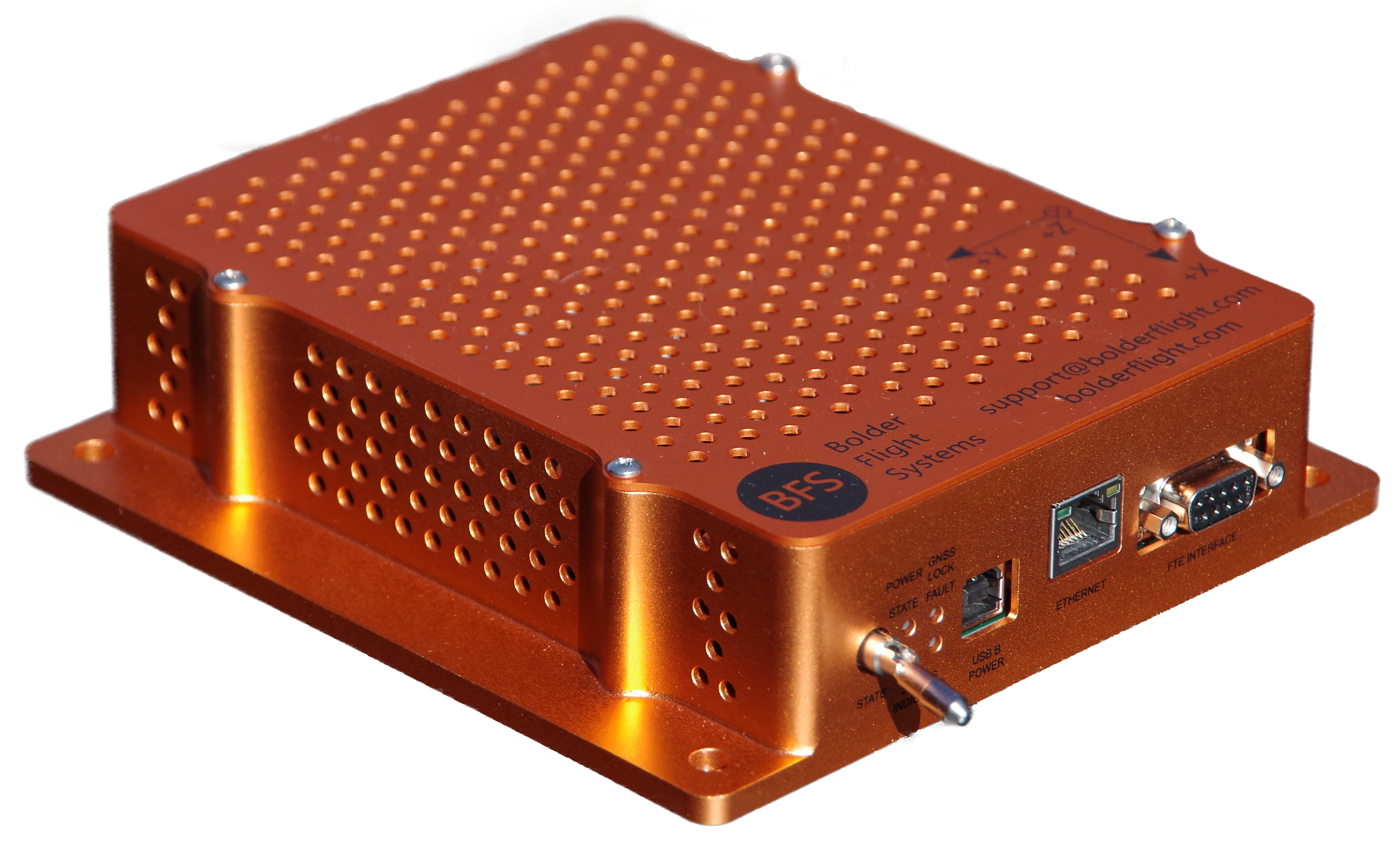
PORTABLE DATA ACQUISITION SYSTEM

A portable system for flight test

PDAS combines inertial navigation, air data, and analog acquisition in one system, configured for your aircraft and test program.

Record synchronized measurements at 200 Hz and associate them with test points for post-flight analysis on fixed- and rotary-wing aircraft.

Bolder Flight Systems Portable Data Acquisition System
200 HzFrame rate
1216-bit analog channels
INSGNSS-aided inertial navigation
340 ktIntegrated airspeed range

Developed with the International Test Pilots School

The International Test Pilots School (ITPS) uses PDAS to train test pilots and flight test engineers, conduct aeronautics research, and support certification efforts on ITPS and customer aircraft.

We’ll help configure PDAS for your aircraft, sensors, and measurement requirements so you can instrument an aircraft without developing a data system from scratch.

Measurements and test-point logging

Navigation, air data, and analog measurements are synchronized to the 200 Hz acquisition loop to minimize time skew between measurements.

Inertial navigation

The standard GNSS-aided INS provides high-rate estimates of aircraft motion alongside raw sensor measurements.

  • Position, velocity, attitude, and heading
  • Angular rates and linear acceleration
  • Real-time sensor bias estimation and correction
  • Raw IMU and GNSS measurements

Air data

Integrated pitot-static pressure transducers and an RTD front end provide airspeed, altitude, and temperature measurements.

  • IAS, EAS, and TAS
  • Pressure, AGL, and density altitude
  • Outside air temperature
  • 0–340 kt measurement range

Analog acquisition

Twelve low-noise, 16-bit analog channels support instrumentation such as stick position, control-surface position, and force measurements.

  • Differential or single-ended inputs
  • Selectable gain on every channel
  • Independent ultra-low-noise +5V supplies
  • Polynomial conversion to engineering units

Test-point logging

Associate recorded measurements with test-point numbers and active test periods for faster post-flight analysis.

  • Dedicated flight test engineer (FTE) interface
  • Test-point number and active-state logging
  • Real-time IADS displays
  • CSV and MATLAB export

Configuration options

Match the amplifiers, pressure measurements, and navigation system to your aircraft and instrumentation.

External data
Record data from aircraft avionics or external sensors alongside PDAS measurements. The external input supports 40 float and 5 double values.
Analog amplifiers
Customize the mix of higher- and lower-gain amplifiers to suit your sensors. Standard gain settings are listed in the specifications below.
Air data
Specify a different airspeed measurement range or add pressure transducers for angle of attack or angle of sideslip.
Inertial navigation
Choose an INS with RTK heading determination for improved low-speed heading accuracy.

Live data in IADS

Stream aircraft and instrumentation data to Curtiss-Wright (formerly Symvionics) IADS for real-time flight-test displays and analysis.

IADS output50 Hz
Recorded data200 Hz
Post-flightCSV + MATLAB

Aircraft installations

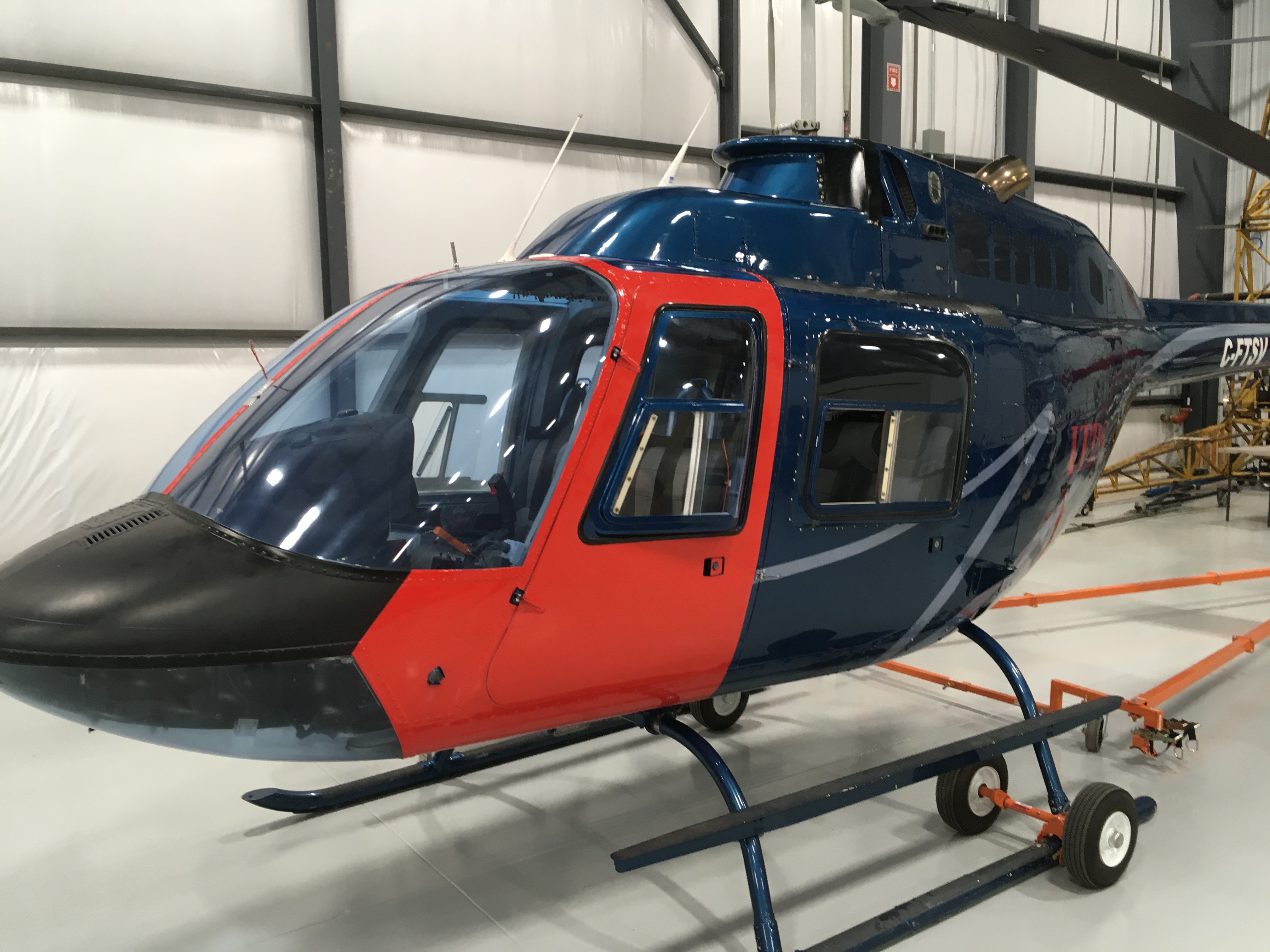
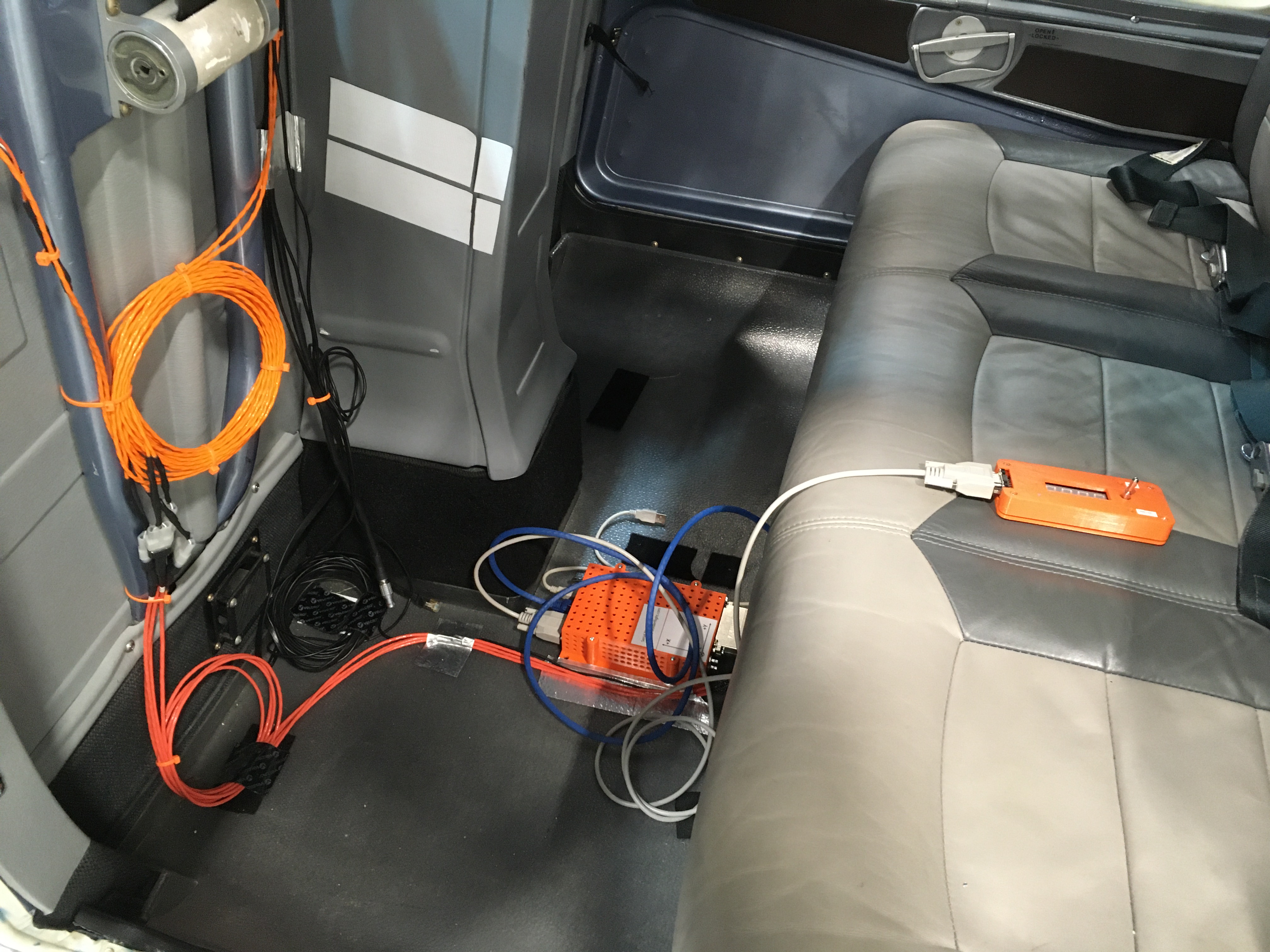
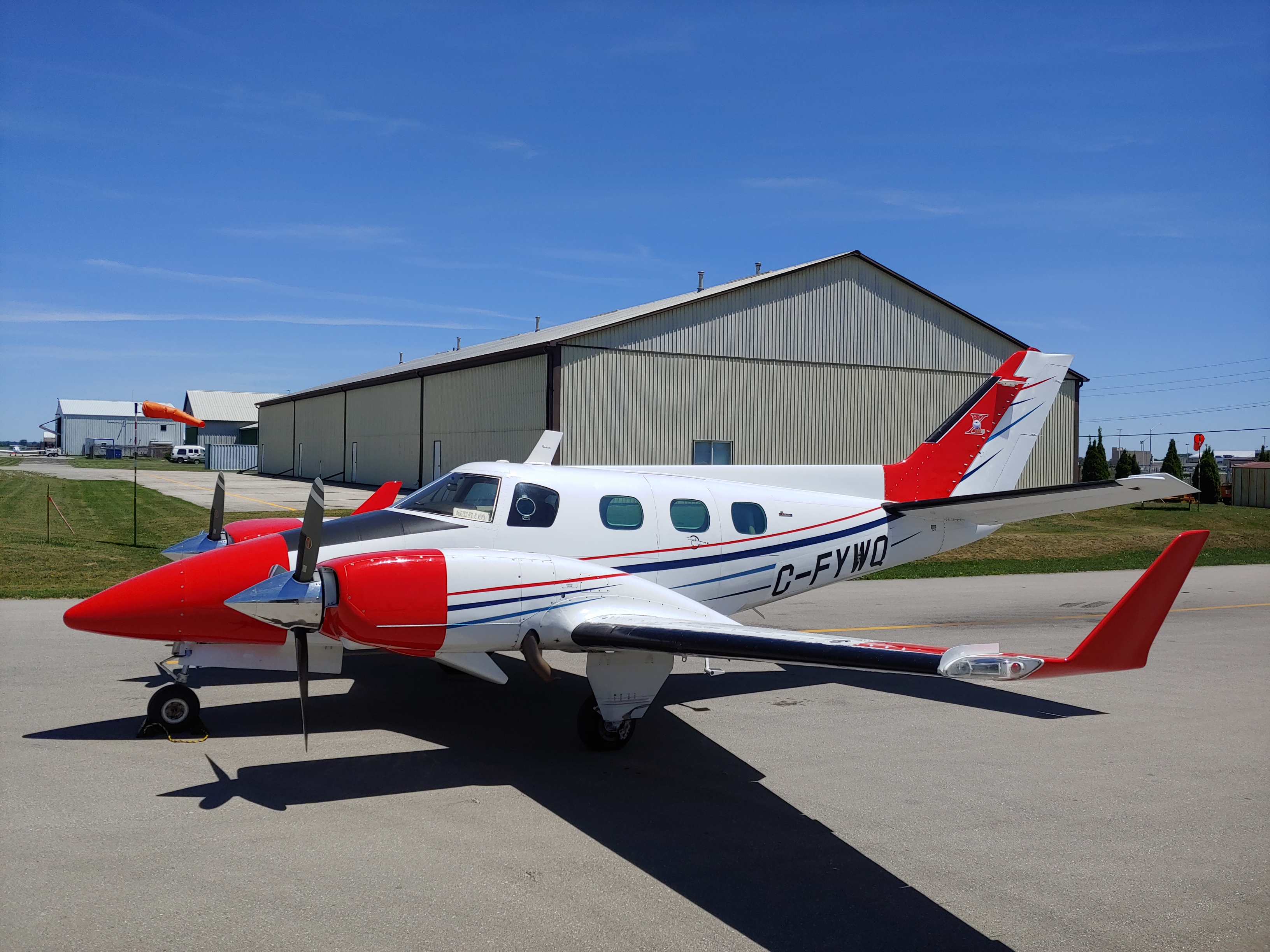
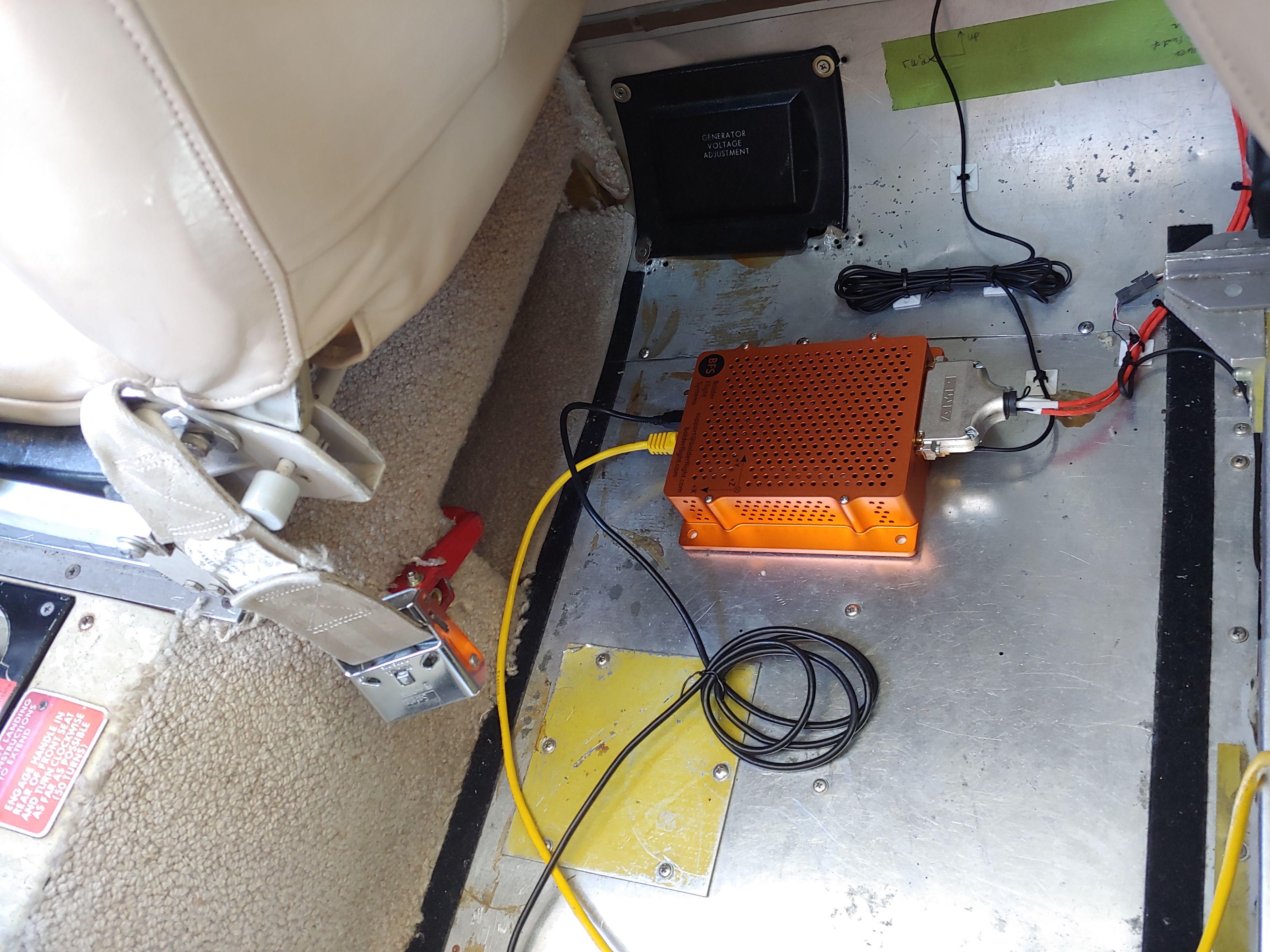
PDAS supports temporary instrumentation installations across different aircraft. These examples show installations in a Bell 206 and a Beechcraft Duke.

Bell 206

Prototype installation

Bell 206 exterior
PDAS prototype installed in the Bell 206

Beechcraft Duke

Beechcraft Duke exterior
PDAS installed in the Beechcraft Duke

The Bell 206 installation shown uses an earlier PDAS prototype with a plastic enclosure.

PDAS specifications

Specifications for the standard PDAS configuration.

System

Sample rate200 Hz
Dimensions160 × 155 × 40 mm
Input power3.4–5.5 VDC
Current drawApproximately 1 A
ConfigurationWeb-based interface
FilteringConfigurable digital low-pass filtering

Inertial navigation

Standard systemGNSS-aided INS
Optional systemINS with RTK heading determination
Pitch / roll accuracy0.1°
Heading accuracy0.3°
Horizontal position accuracy8 ft
Vertical position accuracy8 ft
Inertial velocity accuracy0.1 kt

Air data

Airspeed range0–340 kt
Typical airspeed accuracy1 kt
Airspeed outputsIAS, EAS, TAS
Altitude outputsPressure, AGL, density altitude
OAT input2-, 3-, and 4-wire RTD
RTD supportPT10 through PT1000
Optional pressure transducersAngle of attack or angle of sideslip

Analog

Channels12
Resolution16 bit
Channels 0–5 gain (standard)1, 10, 100, 1000
Channels 6–11 gain (standard)1, 2, 4, 8
Amplifier mixSix higher-gain and six lower-gain; customizable on request
InputsDifferential or single-ended
Analog anti-alias filter55 Hz
Sensor powerIndependent low-noise +5 V
Engineering unitsConfigurable polynomial conversion

Operating envelope

Acceleration±16 g
Angular rate±2,000°/s
Altitude−10,000 to +70,000 ft
Temperature−10 to +50°C

FLIGHT TEST INSTRUMENTATION

Discuss your test program

Tell us about your aircraft, sensors, and measurement requirements. We’ll help define the PDAS configuration you need.

Contact Us